
The Case for Staying Put
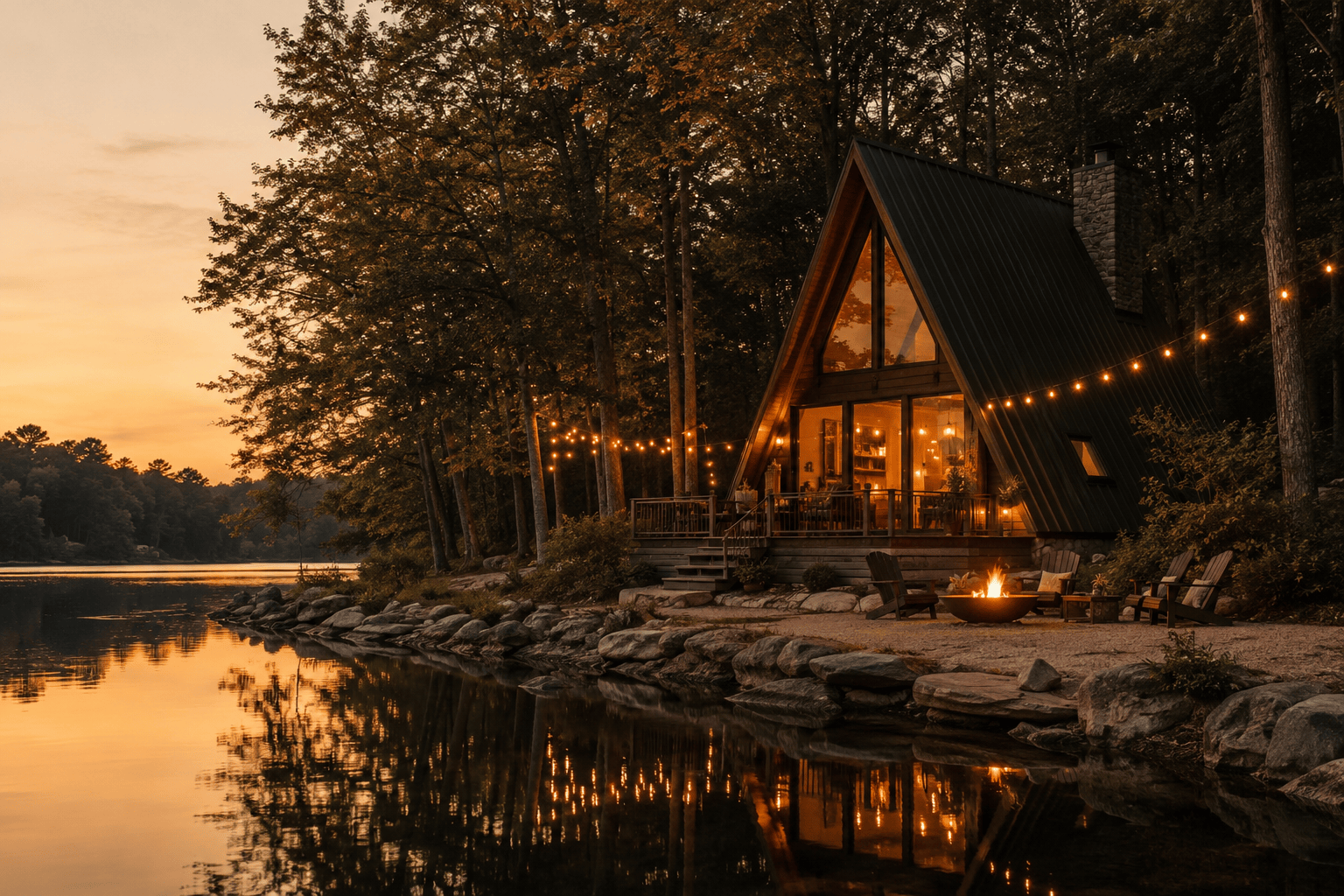
There is a particular hour in late summer when travel changes its mind. The itinerary loosens. The list of things to see starts to feel like a list of things to survive. And somewhere between the third museum and the fourth neighborhood you were told not to miss, a quieter idea surfaces: what if you simply stayed?
The travel press has spent this year giving that idea a name. Slow travel — choosing one place and letting it unfold over a week rather than sprinting through five — has been called the defining trend of 2026, a correction to what one writer called checklist tourism, the kind of trip that returns you home more depleted than you left. The industry's forecasters describe a parallel shift they call deep luxury: away from spectacle, toward sanctuary. As one Greek hotelier put it, true luxury is the quiet feeling of belonging, wherever you are.
We find ourselves nodding along, not because it is fashionable but because it matches what we have watched guests do for years. The ones who stay longest stop photographing the view around day two. They start noticing when the light changes. They develop opinions about which bakery, which bench, which stretch of shade. They are no longer visiting a place; they are, briefly, living in one.
What a week in one place gives back
- A rhythm. Mornings acquire a shape — coffee here, a walk there — and the shape itself becomes the souvenir.
- A smaller footprint. Staying put means walking more, flying less, and spending at the corner fonda or the neighborhood roaster rather than wherever the tour bus stops.
- Permission to miss things. The unvisited landmark stops being a failure and becomes a reason to return.
Late summer, unhurried
August makes an especially good case. In San Juan, it is the soft season: the cruise crowds thin, the sea holds at bath temperature, and the afternoon rain arrives like punctuation — twenty minutes under an awning with a cortadito, then streets rinsed gold. The old city is at its most itself when no one is rushing through it. On Toronto's waterfront, the equation inverts: this is the city's most generous month, all long evenings and lake breeze, ferries drifting toward the Islands, the Martin Goodman Trail busy with cyclists until nearly ten. Neither place asks to be conquered. Both reward the traveler who unpacks fully and lets the days repeat.
Perhaps this is why small, considered stays keep drawing people away from the big lobbies. A place with a point of view — a hacienda ceiling, a wall the color of espresso, windows placed for one particular slant of light — does half the slowing down for you. Design, at its best, is an argument for paying attention. Amala means pure in Sanskrit, and purity is mostly subtraction: fewer rooms, fewer plans, a lighter touch on the places that host us.
So this is our late-summer suggestion, offered gently: pick one place. Give it a week. Let the itinerary shrink until it fits on the back of a receipt, and see what rushes in to fill the space.
If you are inclined to try, we keep two doors open — Casa Monteflores, a hacienda penthouse above the streets of San Juan, and Macchiato, our coffee-steeped apartment near Toronto's waterfront. And by a quiet lake not far away, a small family of A-frame cabins is slowly taking shape — built, like everything we do, for staying put.