
The Hour the Lamps Come On
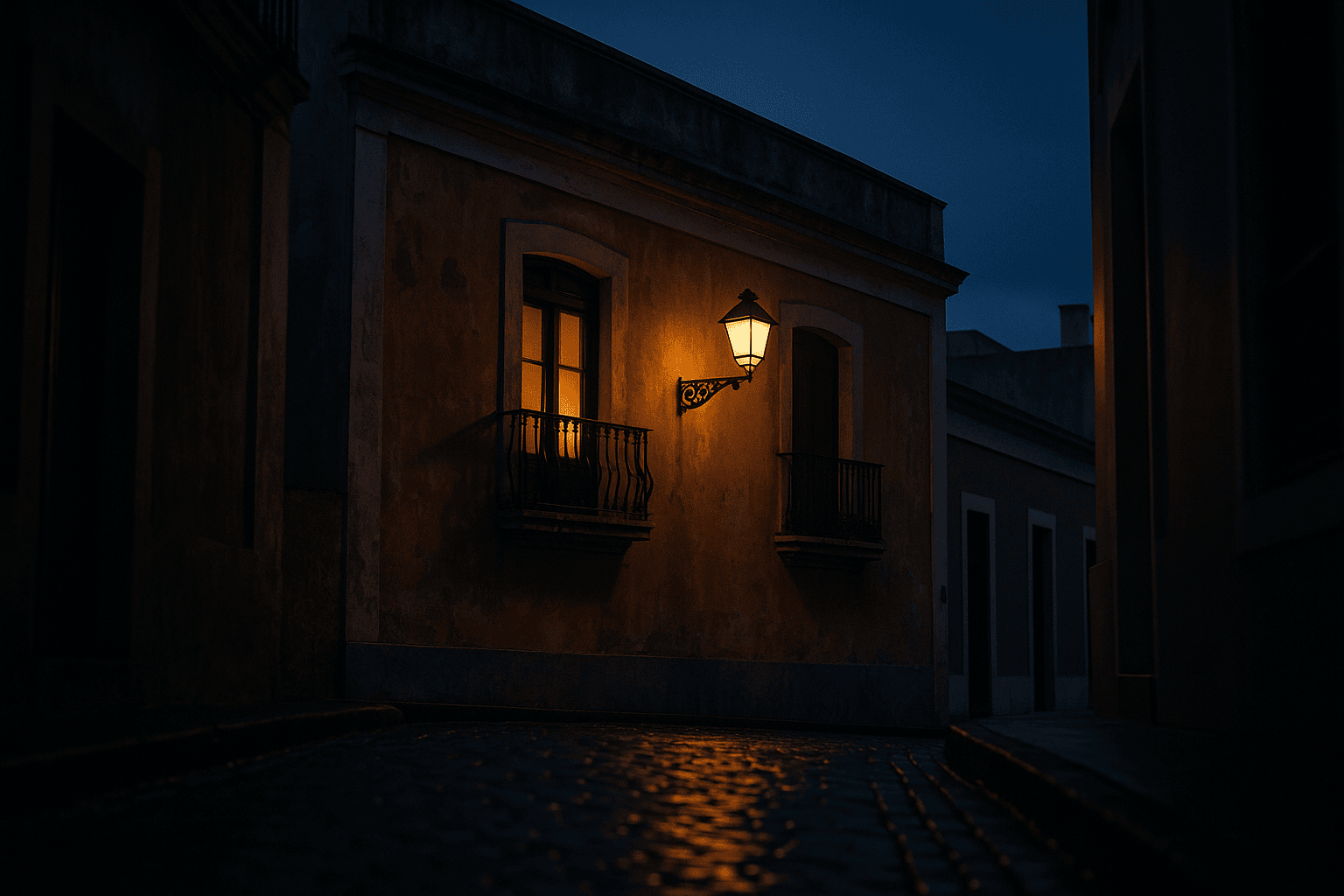
Somewhere in October the day starts ending before you are finished with it. You look up from a late lunch and the light has already begun to lean. By six the street lamps are on, and the windows across the way have turned that particular shade of amber that no one has ever managed to photograph properly. The travel day, which in July ran until ten, now closes early — and the honest response, we have come to think, is not disappointment but relief.
We wrote some months ago about the first hour of the day, and how it tells you the truth about a place. October makes the case for the last one. Dusk is the hour a city stops performing. The tours have gone home. The shops pull their shutters half down. What remains is the place as its residents keep it: lit from inside, unhurried, faintly smelling of dinner. A traveler out walking at that hour is no longer sightseeing. They are simply in the neighborhood.
The industry, in its way, has noticed. The surveys that track such things report the share of travelers choosing slower, quieter, off-peak trips climbing year over year — the European Travel Commission puts slow travel at roughly a quarter of long-haul visits now, up again on last year. But the charts measure seasons, and we suspect the real discovery is smaller and better: places have hours, not just months. The off-peak hour of any given day is dusk, and October simply serves it early.
What the early dark gives back
- An interior life. When evening arrives at six, the room you are staying in stops being a place to sleep and becomes a place to be. The reading chair matters again. So does the lamp beside it.
- The streets at their kindest. Dusk flatters almost everything — stone, water, strangers. It is the one hour when a city you have known for two days feels like one you have known for years.
- Longer dinners. With no sunset left to chase and nothing closing earlier than you are, the table becomes the evening's only appointment. Order the second course. Stay.
Two cities, one hour
In San Juan, mid-October puts the sun down a little after six, and the old city does not dim so much as rearrange itself. The blue goes deep between the buildings, the balconies become silhouettes, and the lamps lay their warmth across cobblestones still damp from the afternoon's rain. Doorways you walked past all day begin to glow. It is the hour of the long way back — the extra two blocks taken on purpose, past windows where other people's evenings are just beginning.
Toronto runs the same hour at a different temperature. By the lake, October dusk is brisk and enormous: the harbor goes pewter, the last ferries cross toward the Islands with their lights already on, and the skyline switches itself on window by window, a city-sized constellation assembling over twenty minutes. Then the cold makes its point, and you go in — with, for once, a completely clear conscience. October is the month that ends the argument between being out and being home, by making home the better offer at six o'clock.
This, we would argue, is the hour a considered stay earns its keep. Anyone can host you at noon. Dusk is harder: it asks for lamplight rather than overhead glare, a chair that faces the window, glass that holds the last of the blue instead of shutting it out. A room arranged for the evening does not just shelter the end of the day — it gives you a reason to be glad the day ended.
So here is our October suggestion, offered as gently as the season offers it: wherever you are, keep one evening empty. Be back by dusk. Put yourself near a window, watch the lamps come on, and let the early dark do what it has been trying to do all along — return you to the room.
Our own rooms are arranged with that hour in mind — Casa Monteflores, a hacienda penthouse above the old streets of San Juan, and Macchiato, our coffee-steeped apartment near Toronto's waterfront. And on a quiet lake not far from the city, a small family of A-frame cabins is taking shape, where the lamps will hang between the trees and come on early all winter long.